What is microlearning
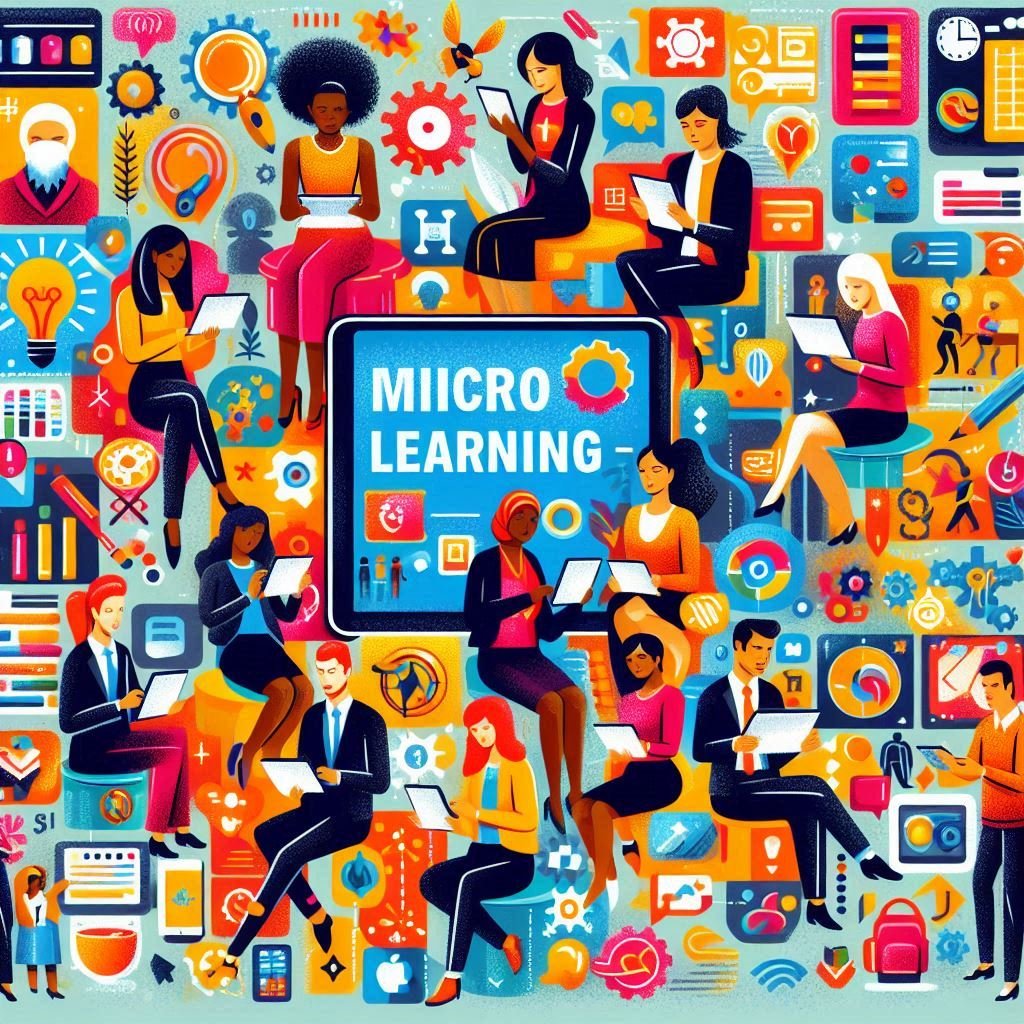
Microlearning is a teaching strategy that teaches in short, highly focused bursts, usually ranging from 2 to 10 minutes. Unlike traditional teaching methods that focus on broad topics, microlearning focuses on one specific objective at a time.
What is doomscrolling
Doom scrolling is the act of constantly scrolling through bad news and negative social media posts even though it makes you feel anxious, sad or overwhelmed. Doom scrolling is driven by a compulsive need to stay informed about threats, leaving you overwhelmed with negative emotions. The term was coined around 2020, during the covid-19 pandemic, where there was a deluge of misinformation, conspiracy theories and fake news. We do this partly because of the dopamine and uncertainty factor that social media algorithms create. Even though most of the news might be bad, your brain gets a tiny dose of dopamine every time you scroll because of the anticipation about discovering something new.
What is the science behind microlearning
The science of microlearning is based on 2 important scientific theories – cognitive load theory and Ebbinghaus Forgetting Curve. In the 1880s, psychologist Hermann Ebbinghaus discovered that humans forget about 50% of new information within an hour and up to 90% within a week if they don’t review it. This is the “Forgetting Curve.”
Cognitive load theory suggests that your brain has a limited bandwidth for new information, known as working memory. It acts like a funnel. Traditional teaching methods try to pour liters of water down the funnel all at once and ultimately most of it overflows and is lost.
Micro-learning acts as a series of speed bumps for the forgetting curve. Each time you encounter a small nugget of information like a 2 minute video on a concept, your brain’s retention level resets to 100%. By practicing spaced repetition, reviewing the concept a few days later, it flattens the forgetting curve. The information moves from short-term “working memory” into long-term storage.
Microlearning tackles cognitive load by pouring the water down the funnel cup by cup. The brain can process each piece of information fully before the next one arrives.
Microlearning helps the brain learn by recognizing patterns using chunking. Chunking breaks down complex subjects into small bite-size pieces of information. It is easier for the brain to retain a single chunk rather than a massive load of information.
How do you design your own microlearning content
The “must know” vs “nice to know” filter helps us decide which piece of information is the most useful to enable learning. “must know” refers to the crucial piece of information needed to solve a problem right now eg. “Press this button to reset the machine”. “Nice to know” refers to information that is interesting but is not essential for the immediate task eg. “the story behind the founder’s invention”.
One “Micro-Objective” Per Lesson. Do not try to cover an entire topic in microlearning lesson. For example “How to use excel” would be too broad and “How to perform additions in excel” would be a hyper focused topic.
The “Action-First” Structure. Microlearning is often used just-in-time while someone may actually be working. State the problem, show the solution then lock in the information by doing a review, like a one question quiz.
What apps out there are great for microlearning
Duolingo is a microlearning app for learning languages and it provides its lessons in 5 minute windows. Brilliant is great for math and science, while Blinkist is for book summaries, 7taps for corporate microlearning and Elevate for cognitive sharpness.
Break your doom scrolling habits and try microlearning. It will certainly boost your cognitive abilities and widen your interests. Revolutionize the way you conduct learning in workplace settings, your colleagues will thank you for it.